
Red Light Therapy
Your cells have an on switch. Red light therapy flips it. By delivering specific wavelengths of light directly to your mitochondria, RLT triggers a cascade of healing activity — more energy, less inflammation, faster recovery, better skin — without needles, medication, or downtime.
Remember this guy from 9th grade Biology class?
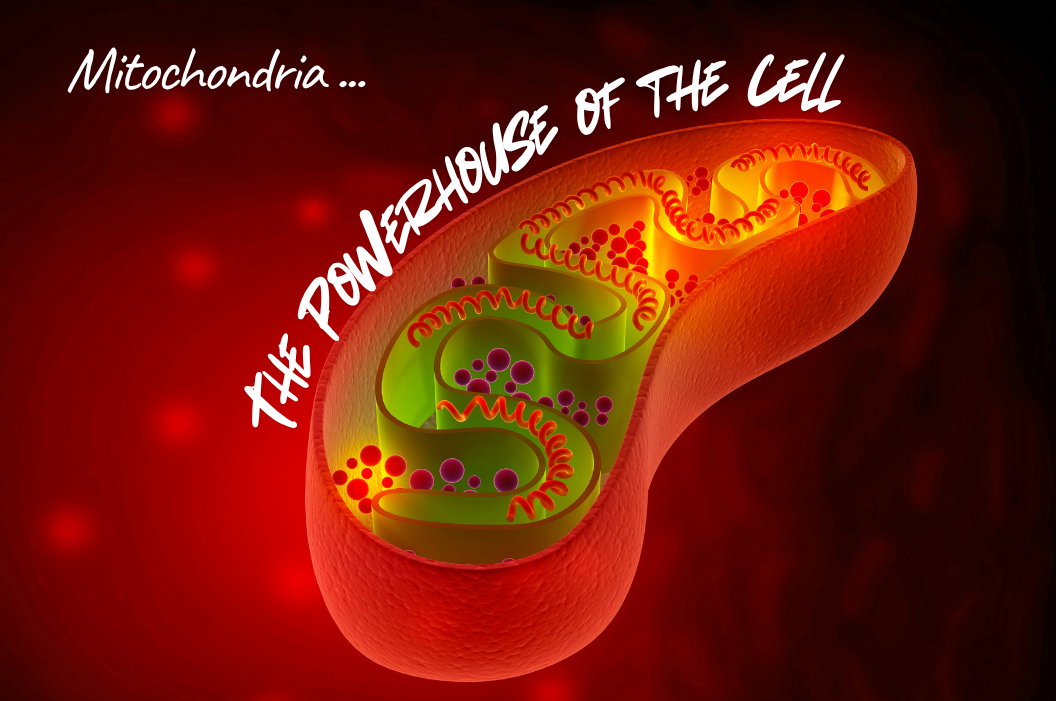
Also known as photobiomodulation, or low-level laser therapy
Red light therapy (RLT) uses specific wavelengths of red and near-infrared light to stimulate your cells at the most fundamental level — the mitochondria. When these wavelengths are absorbed by a key mitochondrial protein called cytochrome c oxidase, they trigger a boost in ATP production, which is the energy currency your cells run on. More cellular energy means better repair, less inflammation, and a body that simply functions better.
It's non-invasive, painless, and backed by a growing body of peer-reviewed research. We use professional-grade equipment from Megelin and Infraredi — two of the most respected names in the field.
What Red Light Therapy May Help With
Skin Health — RLT stimulates collagen production and supports the healing of wounds, scars, and skin conditions including acne, psoriasis, and eczema. It's one of the most researched applications of light therapy, with consistent evidence for reducing fine lines and improving overall skin tone and texture.
Pain Relief — Many people use RLT to ease muscle and joint pain, including arthritis and chronic pain conditions. It promotes tissue repair and reduces the inflammation that drives discomfort.
Inflammation — RLT has well-documented anti-inflammatory effects at the cellular level, making it beneficial for a wide range of conditions characterized by chronic inflammation.
Circulation — By stimulating the formation of new capillaries and improving blood flow, RLT supports better oxygen and nutrient delivery throughout the body.
Wound Healing & Recovery — RLT accelerates healing by promoting collagen synthesis, new blood vessel formation, and stem cell activity. Athletes use it regularly for faster muscle recovery and reduced post-workout soreness.
Sleep & Hormonal Balance — RLT has been shown to support melatonin regulation, which governs your circadian rhythm and influences when other hormones are released throughout the day. Better sleep regulation has a downstream effect on stress hormones, energy levels, and overall wellbeing.
Mood — Research suggests RLT may support serotonin production and reduce symptoms associated with seasonal affective disorder and general mood disruption.
Hair Growth — Some studies indicate RLT can stimulate hair follicles and reduce hair loss in individuals with certain types of alopecia or thinning hair.
Fat Metabolism — Emerging research suggests RLT may support fat metabolism by encouraging fat cells to release stored triglycerides. Results vary, and RLT works best as a complement to an active lifestyle rather than a standalone fat-loss treatment.
Sinus & Allergy Symptoms — Some users report reduced nasal inflammation and congestion with regular RLT use. Research in this area is still developing, but the anti-inflammatory mechanism of RLT provides a plausible basis for these effects.
Experience Red Light Therapy
Sessions are 20 or 30 minutes and are a full-body treatment. You can book RLT as a standalone visit or combine it with massage therapy and/or skincare services.
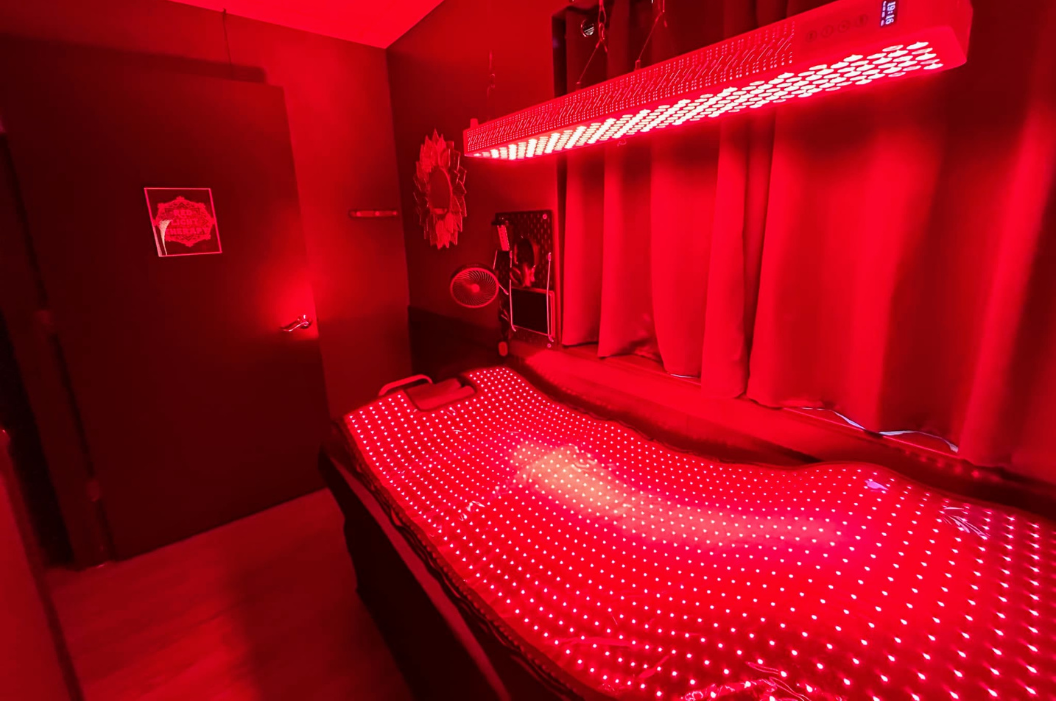
Each session takes place in a private, serene room. You'll relax on a full-body red light therapy mat that treats the back of your body, while a mounted panel treats the front. Noise-canceling headphones are available, and a wall-mounted tablet with YouTube Premium lets you choose your own audio — calming music, a guided meditation, a focus track, or anything that helps you settle in. A supportive leg wedge, customizable neck pillow, and the gentle warmth of the light panels make for an experience designed around recovery and restoration.
Is It Safe?
Red light therapy is considered safe and non-invasive, with no tissue damage and no reported side effects at recommended exposure levels. Per our equipment manufacturers, RLT does not use heat or ablation for its effects, which means no risk of burns or scarring when used as directed.
We do recommend consulting your healthcare provider before beginning RLT if you are pregnant, undergoing chemotherapy, taking medications that increase photosensitivity, have an active malignant condition, have a venous thromboembolism or bleeding disorder, have heart conditions, or have highly photosensitive skin.
If you have any health concerns, your provider is the right person to advise whether RLT is appropriate for your specific situation.
Sources
Hamblin, M.R. (2016). Photobiomodulation or low-level laser therapy. Journal of Biophotonics, 9(11–12), 1122–1124.
Avci, P., et al. (2013). Low-level laser (light) therapy (LLLT) in skin: stimulating, healing, restoring. Seminars in Cutaneous Medicine and Surgery, 32(1), 41–52.
Ferraresi, C., et al. (2012). Effects of low-level laser therapy on the expression of inflammatory mediators. Photomedicine and Laser Surgery, 30(8), 433–440.
Wunsch, A., & Matuschka, K. (2014). A controlled trial to determine the efficacy of red and near-infrared light treatment in patient satisfaction, reduction of fine lines, and improved skin tone. Photomedicine and Laser Surgery, 32(2), 93–100.