
Manual Lymphatic Drainage (MLD)
Manual Lymphatic Drainage (MLD)
Whether you were referred by a doctor, found MLD on social media, or have been living with swelling for longer than you'd like to admit — you're in the right place.
What is MLD?
MLD is everywhere, yet no one really seems to know what it is. But first, let’s cover what it isn’t — MLD isn’t massage. Considering it’s often referred to as “lymphatic massage,” this comes as a surprise to many people. MLD also doesn’t magically detoxify the body, as TikTok would have you believe. The purpose of Manual Lymphatic Drainage is exactly what the name says — it’s the manual movement of lymphatic fluid so it can drain.
Most people are only vaguely familiar with their lymphatic system — and if it’s doing its job correctly, you won’t even know it exists. It’s one of our 11 major organ systems and works similarly to the circulatory system, with one big difference. Blood moves through the circulatory system because it has a dedicated pump — the heart. Lymphatic fluid circulates too, but it doesn’t have a dedicated pump. Instead, it relies on things like muscle movement, breathing, and the natural contractions of the vessels themselves to keep fluid moving. Your lymphatic system is responsible for draining excess fluid from tissues, removing cellular waste, and supporting your immune response. When it’s working well, you never think about it. When it isn’t — whether due to infection, injury, surgery, cancer treatment, or autoimmune disorders — the body can’t efficiently drain fluids or mount an effective immune defense. The result is swelling, fluid buildup, and an increased risk of illness.
MLD is extremely helpful when that system gets disrupted, because the disruption often means the body can’t get rid of swelling on its own. During a session, MLD is performed in a rhythmic, specific sequence. The therapist’s hands serve as the pump — gently moving swelling from a congested area and directing it toward the lymphatic vessels. Those vessels eventually return the fluid to the bloodstream near the heart, where the kidneys filter out the excess and it leaves the body the way all excess fluid does — through urination. In fact, we keep robes and slippers in the room because it’s not uncommon for someone to need the restroom right in the middle of a session. Drinking water afterward helps your body keep processing that fluid.
Sometimes this process is straightforward and sometimes it’s very challenging, because the normal drainage pathway has been compromised by an injury, surgery, or radiation. In those cases, the therapist creates an alternative pathway to move the swelling out of the body.
Surprisingly, MLD involves very light touch. The skin is gently stretched to open the lymphatic capillaries just below the surface, allowing them to release excess fluid. The cycle is stretch, release, stretch, release — repeated over and over, manually pumping the fluid toward drainage. Because the goal is to stretch the skin, the therapist doesn’t apply pressure that goes deeper than the skin. This means that even when working over sore or tender areas, pain is typically not an issue. To the client, this feels rhythmic and deeply soothing. An additional documented benefit of MLD is its ability to calm the central nervous system — most clients find MLD extremely relaxing, and many fall asleep during their session.
I'm here because of...
-
If you've been through cancer treatment and you're living with swelling that won't go away, you already know how isolating that can feel. You survived the hard part — surgery, radiation, chemo — and now you're left with an arm, a leg, or a part of your chest that feels heavy, tight, and swollen. Like a balloon that's about to pop. It's exhausting, it's uncomfortable, and it can feel like no one fully understands what you're dealing with.
Here's what's happening. During cancer treatment — especially surgery that involves removing lymph nodes or radiation to the armpit area — the lymphatic system can be permanently disrupted. Radiation can scar and damage the lymph nodes and vessels in the treatment area, leaving them unable to do their job. Without those nodes functioning properly, your body can no longer drain fluid from the affected area the way it used to. The fluid backs up, the limb swells, and that swelling often becomes a new, ongoing reality.
You're not alone in this. About one in five women who have lymph nodes removed during breast cancer surgery develop lymphedema. When radiation to the lymph nodes is added, that rises to about one in three.
MLD can help. By gently moving the fluid out of the congested area and redirecting it through lymphatic pathways that still function, MLD reduces swelling, relieves that heavy pressurized feeling, and can improve mobility. MLD can’t repair damaged lymph nodes, but it gives your body an alternate route to move the fluid that's been accumulating.
Is MLD safe for you?
MLD can’t be safely performed if any of the following apply to you:
Your cancer is currently active in your lymph nodes or lymphatic system. Because MLD moves lymphatic fluid, we don’t perform it when cancer is active there. If cancer was found in your lymph nodes in the past and has been treated, this doesn’t apply; we’ll need your oncologist’s clearance instead.
You have heart failure (including congestive heart failure) or cardiomyopathy, of any type or stage. MLD moves fluid back toward the heart, which adds to its workload.
You have swelling along with shortness of breath, trouble breathing when lying flat, or sudden weight gain (2 pounds or more in a day, or 5 pounds in a week), and it hasn’t been checked by a doctor. These can be signs of heart failure, so please see your doctor first.
You have chest pain or pressure, new or worsening shortness of breath, a racing or irregular heartbeat, or fainting, and it hasn’t been checked by a doctor. Please see your doctor first.
You wear a defibrillator vest (such as a LifeVest).
You have high blood pressure that your doctor has told you isn’t under control.
You have an active, untreated blood clot (deep vein thrombosis). MLD could dislodge a blood clot, which can be life-threatening. If you have an active blood clot, MLD cannot be performed under any circumstances.
You have swelling with no known cause that came on suddenly, or a swollen area or vein that is red, warm, or painful with no injury to explain it, and it hasn’t been checked by a doctor. These can be signs of a blood clot or infection, so please see your doctor first.
You have a lump or swollen lymph node that hasn’t been checked by a doctor. Please see your doctor first.
You have an active infection with fever (100.4°F or higher), or are systemically ill — chills, body aches, fatigue from illness. MLD stimulates the lymphatic system, which can spread an active infection. Wait until you are fully recovered.
You have cellulitis (a bacterial skin infection) — skin that is red, hot, swollen, spreading, and painful. This is not the same thing as cellulite, which is a cosmetic skin texture and is not a concern. Cellulitis is a serious infection, and MLD can spread it through the lymphatic system. Wait until the infection is fully treated and resolved.
You have a rash or skin infection that is contagious or hasn’t been diagnosed (such as ringworm, scabies, impetigo, or shingles), or a rash that is blistering or weeping. Wait until it has cleared.
We may be able to work with you, but need clearance from your doctor first, if:
You’re currently receiving cancer treatment, such as chemotherapy, radiation, immunotherapy, targeted therapy, hormone therapy (such as Tamoxifen), or a stem cell transplant — we need clearance from your oncologist.
You have cancer that has not spread to your lymphatic system — we need clearance from your oncologist.
Your cancer has spread to your bones (bone metastases) — we need clearance from your oncologist.
You have radiation fibrosis — we need clearance from your medical team.
You have a pacemaker or an implanted defibrillator — we need written clearance from your cardiologist.
You’ve had a heart attack or a stroke — we need clearance from your physician.
-
You did everything right. You followed your surgeon’s instructions, you went to physical therapy, you did the exercises. But weeks or months later, the swelling is still there. Your knee is stiff. Your shoulder won’t move the way it should. Your ankle looks like it belongs to someone else. It’s slowing your recovery, limiting what you can do, and making every day harder than it needs to be.
Or maybe you didn’t have surgery at all. Maybe it was a bad sprain, a car accident, a fall, or a sports injury — and the swelling that showed up afterward just never fully went away.
Either way, here’s why it’s happening. After surgery or significant injury, your body sends a flood of fluid to the area to protect and heal the tissue. That’s normal — it’s part of the healing process. But remember, your lymphatic system doesn’t have a pump. It depends on muscle movement, breathing, and the natural contractions of the vessels themselves to push fluid through. When you can’t move the area — because of pain, a brace, a sling, or doctor’s orders to keep it still — there’s nothing driving that fluid out. It just sits there. The swelling builds on itself, stiffness sets in, and the fluid that was supposed to help you heal is now getting in the way of your recovery. In some cases, prolonged swelling and immobility can contribute to secondary complications like frozen shoulder, which can add months to your recovery timeline.
MLD moves that fluid manually — guiding it out of the swollen area and into pathways where your body can process it. The result is less swelling, less pressure, better range of motion, and a body that can get back to the business of healing. MLD doesn’t do the work of physical therapy or rehabilitation — it addresses the swelling that can slow that process down.
I know this firsthand. I had a massive shoulder repair a week before the pandemic started. The day I was supposed to start PT was the day everything shut down. I had no post-surgical hands-on care. While doing PT exercises at home, my arm — with zero muscle control — fell off a pulley, triggering severe swelling. By the time I could get to in-person PT three months later, I still couldn’t lift my arm. Not even an inch. As a massage therapist, I cannot tell you how terrifying that was. My fingers had been swollen like sausages the entire time. When MLD became part of my recovery, everything changed. Three sessions. That was all it took. I started getting my range of motion back and it was the turning point in my recovery. I got my MLD certification the following year because of that experience. I believe in this work because I’ve lived it.
— Kim Russom, LMT, CMLDT, Owner of Health & Harmony
MLD can support recovery from joint replacements, rotator cuff repairs, ACL reconstructions, fracture repairs, abdominal and pelvic surgeries, breast reductions, gender-affirming surgeries, and lipedema surgery. It’s also effective for non-surgical injuries — sprains, strains, fractures treated with casting or immobilization, impact injuries, and any trauma that has left you with persistent swelling that isn’t resolving on its own. You don’t need to have had surgery to benefit from MLD. If swelling from an injury or surgery isn’t resolving on its own, MLD can help move it out.
Is MLD safe for you?
MLD can’t be safely performed if any of the following apply to you:
You have heart failure (including congestive heart failure) or cardiomyopathy, of any type or stage. MLD moves fluid back toward the heart, which adds to its workload.
You have swelling along with shortness of breath, trouble breathing when lying flat, or sudden weight gain (2 pounds or more in a day, or 5 pounds in a week), and it hasn’t been checked by a doctor. These can be signs of heart failure, so please see your doctor first.
You have chest pain or pressure, new or worsening shortness of breath, a racing or irregular heartbeat, or fainting, and it hasn’t been checked by a doctor. Please see your doctor first.
You wear a defibrillator vest (such as a LifeVest).
You have high blood pressure that your doctor has told you isn’t under control.
You have an active, untreated blood clot (deep vein thrombosis). MLD could dislodge a blood clot, which can be life-threatening. If you have an active blood clot, MLD cannot be performed under any circumstances.
You have swelling with no known cause that came on suddenly, or a swollen area or vein that is red, warm, or painful with no injury to explain it, and it hasn’t been checked by a doctor. These can be signs of a blood clot or infection, so please see your doctor first.
You have a lump or swollen lymph node that hasn’t been checked by a doctor. Please see your doctor first.
You have an active infection with fever (100.4°F or higher), or are systemically ill — chills, body aches, fatigue from illness. MLD stimulates the lymphatic system, which can spread an active infection. Wait until you are fully recovered.
You have cellulitis (a bacterial skin infection) — skin that is red, hot, swollen, spreading, and painful. This is not the same thing as cellulite, which is a cosmetic skin texture and is not a concern. Cellulitis is a serious infection, and MLD can spread it through the lymphatic system. Wait until the infection is fully treated and resolved.
You have a rash or skin infection that is contagious or hasn’t been diagnosed (such as ringworm, scabies, impetigo, or shingles), or a rash that is blistering or weeping. Wait until it has cleared.
You currently have a surgical drain. We don’t provide MLD while a surgical drain is in place. Once your surgeon has removed it, we’d be glad to see you.
We may be able to work with you, but need clearance from your doctor first, if:
You have a pacemaker or an implanted defibrillator — we need written clearance from your cardiologist.
You’ve had a heart attack or a stroke — we need clearance from your physician.
You’ve had a blood clot that has been treated and confirmed resolved — we need clearance from your physician.
You’re still recovering from surgery or a vein procedure (such as vein ablation, sclerotherapy, or vein stripping) — we need clearance from your surgeon or vein specialist before your first session.
Your therapist will adjust your session if:
You’ve had abdominal surgery. We need your surgeon’s clearance before working on the abdomen, and your therapist will adjust technique based on your recovery. Other areas can still be treated.
You have a feeding tube, colostomy or ostomy bag, or port. We don’t work on or around the device, and we’ll position you so nothing is disturbed.
-
Living with a condition like rheumatoid arthritis, lupus, scleroderma, or fibromyalgia often means living with swelling that never fully goes away. Your joints feel puffy. Your hands or ankles are stiff and heavy. Some days, simple things — opening a jar, putting on shoes, getting through a workday — feel like a fight. Medications help manage the underlying condition, but they don't always resolve the swelling. It just becomes something you learn to live with.
Here's why it happens. Chronic inflammation overwhelms the lymphatic system. Your body is producing more inflammatory fluid than it can process, and the excess accumulates in your tissues. The lymphatic system is doing its best, but it can't keep up with the demand — and unlike a temporary injury where things eventually settle down, autoimmune inflammation is ongoing. The swelling comes and goes with your flares, but for many people, it never fully resolves.
MLD can help reduce that fluid buildup, ease joint stiffness, and improve mobility. It won't cure the underlying condition — nothing we do replaces your rheumatologist or your medication. But it can make living in your body feel more manageable. The gentle, rhythmic nature of MLD also has a calming effect on the central nervous system, shifting the body away from a stress response and toward a state of rest and recovery. Many clients with chronic inflammatory conditions find this deeply restorative — not just physically, but emotionally.
Because autoimmune-related swelling is ongoing, managing it effectively isn't a one-session fix. It requires consistent care from a therapist who understands your condition, knows your body, and can adjust treatment based on where you are on any given day.
Important note: MLD is beneficial for autoimmune conditions between flares. During an active flare — whether it’s affecting your joints, skin, or another part of your body — MLD can intensify the inflammatory response and make things worse. Schedule your MLD sessions between flares, not during one.
Is MLD safe for you?
MLD can’t be safely performed if any of the following apply to you:
You have heart failure (including congestive heart failure) or cardiomyopathy, of any type or stage. MLD moves fluid back toward the heart, which adds to its workload.
You have swelling along with shortness of breath, trouble breathing when lying flat, or sudden weight gain (2 pounds or more in a day, or 5 pounds in a week), and it hasn’t been checked by a doctor. These can be signs of heart failure, so please see your doctor first.
You have chest pain or pressure, new or worsening shortness of breath, a racing or irregular heartbeat, or fainting, and it hasn’t been checked by a doctor. Please see your doctor first.
You wear a defibrillator vest (such as a LifeVest).
You have high blood pressure that your doctor has told you isn’t under control.
You have an active, untreated blood clot (deep vein thrombosis). MLD could dislodge a blood clot, which can be life-threatening. If you have an active blood clot, MLD cannot be performed under any circumstances.
You have swelling with no known cause that came on suddenly, or a swollen area or vein that is red, warm, or painful with no injury to explain it, and it hasn’t been checked by a doctor. These can be signs of a blood clot or infection, so please see your doctor first.
You have a lump or swollen lymph node that hasn’t been checked by a doctor. Please see your doctor first.
You have an active infection with fever (100.4°F or higher), or are systemically ill — chills, body aches, fatigue from illness. MLD stimulates the lymphatic system, which can spread an active infection. Wait until you are fully recovered.
You have cellulitis (a bacterial skin infection) — skin that is red, hot, swollen, spreading, and painful. This is not the same thing as cellulite, which is a cosmetic skin texture and is not a concern. Cellulitis is a serious infection, and MLD can spread it through the lymphatic system. Wait until the infection is fully treated and resolved.
You have a rash or skin infection that is contagious or hasn’t been diagnosed (such as ringworm, scabies, impetigo, or shingles), or a rash that is blistering or weeping. Wait until it has cleared.
You’re in an active flare, whether it affects your joints, skin, or another part of your body. MLD can intensify the inflammatory response. Wait until the flare has settled.
You have end-stage kidney failure. MLD cannot be performed.
We may be able to work with you, but need clearance from your doctor first, if:
You have a pacemaker or an implanted defibrillator — we need written clearance from your cardiologist.
You have a heart rhythm disorder (cardiac arrhythmia) — we need clearance from your cardiologist.
You’ve had a heart attack or a stroke — we need clearance from your physician.
You have kidney disease that is not end-stage — we need clearance from your physician.
You have liver cirrhosis — we need clearance from your physician.
You have a thyroid condition (hyperthyroidism) — we need clearance from your physician.
You have Crohn’s disease, ulcerative colitis, diverticulitis, or diverticulosis — we need clearance from your physician before we perform MLD on the abdominal area.
You have hardening of the arteries (arteriosclerosis) — we need clearance from your physician.
You have an aneurysm anywhere in your body, even if it has been surgically repaired — we need clearance from your physician.
-
If you’re managing lymphedema, you already know more about the lymphatic system than most people will ever learn — because you’ve had no choice. You know about compression garments, self-drainage exercises, skin care routines, and the constant vigilance it takes to keep swelling under control. You know that lymphedema doesn’t go away. It’s managed.
We’re here to help with one piece of that management — the MLD piece.
Lymphedema requires all four components of Complete Decongestive Therapy (CDT) to be managed safely and effectively: MLD, compression therapy, exercise, and skin care. We provide MLD. We do not replace your primary medical team, your physical therapist, or any other part of your CDT program. We work alongside them — not in place of them.
We serve lymphedema clients who are in a stable maintenance phase. What that means in plain terms: you’ve already completed the intensive phase of CDT with a Certified Lymphedema Therapist (CLT), your swelling is being managed and not getting worse, you’re wearing your compression garments as directed, and you’re doing your self-care exercises. We pick up from there.
Lymphedema care is never stand-alone. Before your first session, we’ll coordinate with your CLT to confirm your lymphedema is stable and you’re keeping up with your home program. MLD can’t keep lymphedema stable on its own; the daily work is what makes it work.
If you are in maintenance and your insurance-covered MLD sessions have ended, we can provide the ongoing care you need to maintain your progress.
If you have lipedema, please see “Lipedema” under Important Things to Know below.
Is MLD safe for you?
MLD can’t be safely performed if any of the following apply to you:
You have heart failure (including congestive heart failure) or cardiomyopathy, of any type or stage. MLD moves fluid back toward the heart, which adds to its workload.
You have swelling along with shortness of breath, trouble breathing when lying flat, or sudden weight gain (2 pounds or more in a day, or 5 pounds in a week), and it hasn’t been checked by a doctor. These can be signs of heart failure, so please see your doctor first.
You have chest pain or pressure, new or worsening shortness of breath, a racing or irregular heartbeat, or fainting, and it hasn’t been checked by a doctor. Please see your doctor first.
You wear a defibrillator vest (such as a LifeVest).
You have high blood pressure that your doctor has told you isn’t under control.
You have an active, untreated blood clot (deep vein thrombosis). MLD could dislodge a blood clot, which can be life-threatening. If you have an active blood clot, MLD cannot be performed under any circumstances.
You have swelling with no known cause that came on suddenly, or a swollen area or vein that is red, warm, or painful with no injury to explain it, and it hasn’t been checked by a doctor. These can be signs of a blood clot or infection, so please see your doctor first.
You have a lump or swollen lymph node that hasn’t been checked by a doctor. Please see your doctor first.
You have an active infection with fever (100.4°F or higher), or are systemically ill — chills, body aches, fatigue from illness. MLD stimulates the lymphatic system, which can spread an active infection. Wait until you are fully recovered.
You have cellulitis (a bacterial skin infection) — skin that is red, hot, swollen, spreading, and painful. Not the same thing as cellulite. MLD can spread the infection. Wait until it is fully treated and resolved.
You have a rash or skin infection that is contagious or hasn’t been diagnosed (such as ringworm, scabies, impetigo, or shingles), or a rash that is blistering or weeping. Wait until it has cleared.
You have severe peripheral arterial disease. MLD cannot be performed.
You have severe kidney failure (end-stage renal disease). MLD cannot be performed.
We may be able to work with you, but need clearance from your doctor first, if:
You have a pacemaker or an implanted defibrillator — we need written clearance from your cardiologist.
You’ve had a heart attack or a stroke — we need clearance from your physician.
-
You don't need a diagnosis to benefit from MLD. If you're here because you're curious — maybe you saw it on social media, maybe a friend recommended it, maybe you just want to try something new — that's a perfectly good reason to explore it.
Your lymphatic system plays a central role in immune function, fluid balance, and clearing cellular waste from your body. When it's running well, you don't notice it. But when it's sluggish — whether from inactivity, stress, illness, or just the wear and tear of daily life — you might notice things like persistent puffiness or a general feeling of heaviness. MLD supports the lymphatic system by helping it do what it's designed to do, just more efficiently.
Some clients find facial MLD soothing when sinus pressure has them miserable. Research on MLD for sinus and allergy symptoms is limited, so think of it as comfort, not treatment.
Many clients incorporate MLD into their wellness routine the same way they would regular massage — as periodic maintenance for a system that works better with a little support. If you've been curious about MLD and want to see what it feels like, a single session is a great place to start. You may have seen MLD called a ‘detox.’ It isn’t one. Your liver and kidneys handle detoxification. MLD moves fluid.
Is MLD safe for you?
Even if you’re coming to MLD for general wellness, we ask every client to complete our screening questionnaire. It takes just a few minutes, and it’s how we make sure MLD is safe for you.
MLD can’t be safely performed if any of the following apply to you:
You have heart failure (including congestive heart failure) or cardiomyopathy, of any type or stage.
You have swelling along with shortness of breath, trouble breathing when lying flat, or sudden weight gain (2 pounds or more in a day, or 5 pounds in a week), and it hasn’t been checked by a doctor. These can be signs of heart failure, so please see your doctor first.
You have chest pain or pressure, new or worsening shortness of breath, a racing or irregular heartbeat, or fainting, and it hasn’t been checked by a doctor. Please see your doctor first.
You wear a defibrillator vest (such as a LifeVest).
You have high blood pressure that your doctor has told you isn’t under control.
You have an active, untreated blood clot (deep vein thrombosis). MLD cannot be performed under any circumstances.
You have swelling with no known cause that came on suddenly, or a swollen area or vein that is red, warm, or painful with no injury to explain it, and it hasn’t been checked by a doctor. These can be signs of a blood clot or infection, so please see your doctor first.
You have a lump or swollen lymph node that hasn’t been checked by a doctor. Please see your doctor first.
You have an active infection with fever (100.4°F or higher), or are systemically ill. Wait until you are fully recovered.
You have cellulitis (a bacterial skin infection) — skin that is red, hot, swollen, spreading, and painful. Not the same thing as cellulite. Wait until the infection is fully treated and resolved.
You have a rash or skin infection that is contagious or hasn’t been diagnosed (such as ringworm, scabies, impetigo, or shingles), or a rash that is blistering or weeping. Wait until it has cleared.
If none of these apply, and nothing on the Complete Safety and Contraindication List below applies to you, the screening questionnaire will confirm your eligibility.
What to Expect
Your first MLD visit is a 75-minute appointment. This is longer than a typical follow-up because we use the extra time to go over your intake form together, talk about your health history and goals, discuss what a treatment plan might look like for your specific situation, and set expectations — before we begin any hands-on work. The remainder of your first visit is dedicated to your initial MLD session.
Follow-up sessions range from 30 to 90 minutes depending on the areas being treated and the nature of your condition. Session length is determined through your evaluation — not a one-size-fits-all protocol. Some conditions require shorter, more frequent sessions. Others benefit from longer, less frequent ones. We’ll figure out what works best for your body and your schedule.
After your session, don’t be surprised if you need to use the restroom fairly quickly — that’s the fluid draining, which is exactly what we want. Drinking water afterward helps your body keep processing the fluid. Most clients leave feeling lighter, more relaxed, and noticeably less swollen.
When insurance stops covering MLD - We’re here.
Health & Harmony is a private-pay clinic. We don't bill insurance, which means no authorizations, no denials, and no one telling you your care isn't medically necessary when you know it is. To make consistent MLD affordable, we offer monthly memberships with no contracts that you can adjust or cancel anytime, and session packages at meaningful savings over single-session pricing. Memberships can even be shared with a family member. This kind of care works best when it's consistent. We've built our pricing to make that possible.
Additional Information
-
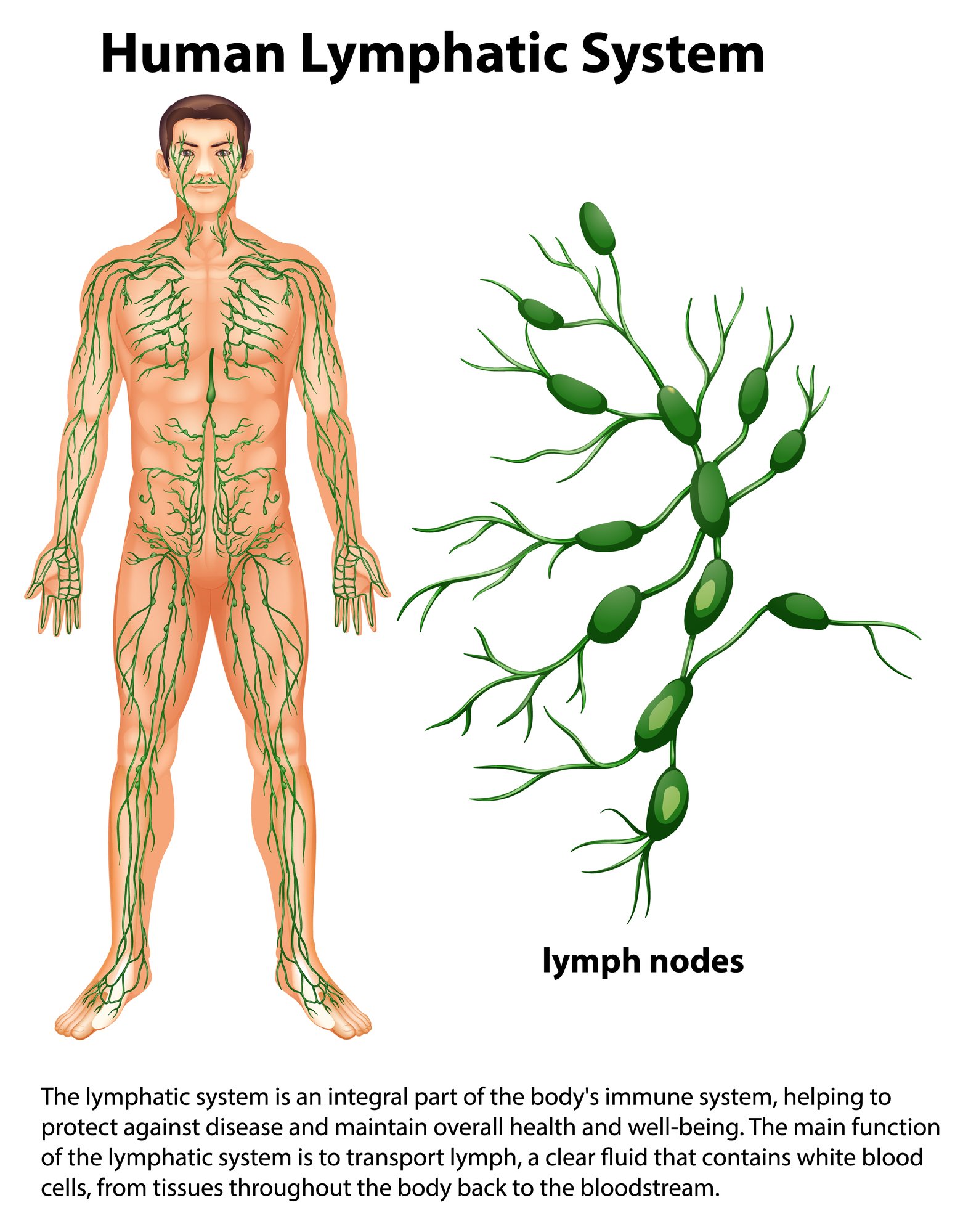
AREAS OF TREATMENT. The highest concentration of lymph nodes in your body is in your armpits, chest, and groin. Depending on your condition and treatment goals, your MLD session may include gentle work in these areas. Breast tissue may be addressed when clinically appropriate, and only with your consent. The genitals are never touched, but the surrounding groin area may be included if your condition requires it. Your therapist will explain everything before beginning, and you will always know what to expect.
COSMETIC SURGERY. Health & Harmony does not accept post-cosmetic surgery clients for MLD. This includes but is not limited to face lifts, breast augmentation, tummy tucks, liposuction, hip augmentation, and Brazilian Butt Lifts. If you need post-cosmetic surgery MLD, please consult your surgeon for a recommendation of a local CMLDT who specializes in that type of work. We do offer MLD after breast reduction and gender-affirming surgery. MLD after mastectomy or breast reconstruction is part of our cancer recovery care.
LIPEDEMA. We provide MLD for lipedema in two situations: during recovery from lipedema surgery, once your incisions have closed and drainage has stopped, with your surgeon’s clearance; and when lipedema has progressed to include lymphedema, in which case our lymphedema policy applies. MLD doesn’t reduce lipedema fat or limb size, and research hasn’t shown that MLD on its own provides lasting benefit for lipedema, so we don’t provide ongoing MLD for lipedema outside of these two situations.
SURGICAL DRAINS. We don’t provide MLD while a surgical drain is in place, and we do not remove, empty, or handle drains or drain sites. Please contact your surgeon for drain care.
OPEN WOUNDS. We do not perform MLD on or around open wounds, due to the risk of introducing infection or disrupting healing.
MEDICAL CLEARANCE. Depending on your condition, we may need to consult with or obtain written clearance from your physician before beginning MLD. If clearance is needed, we’ll coordinate that process for you, so you won’t need to chase paperwork.
AGE. MLD is provided to clients 18 and older. Exceptions for minors are rare and reviewed case by case; please call us to discuss.
-
MLD cannot be performed if you have any of the following:
Heart failure or cardiomyopathy. This includes congestive heart failure and cardiomyopathy of any type or stage. MLD moves fluid back toward the heart, which adds to its workload.
Swelling with signs of heart strain. Swelling along with shortness of breath, trouble breathing when lying flat, or sudden weight gain (2 pounds or more in a day, or 5 pounds in a week), that hasn’t been checked by a doctor. These can be signs of heart failure. Please see your doctor first.
Chest pain, shortness of breath, or fainting. Chest pain or pressure, new or worsening shortness of breath, a racing or irregular heartbeat, or fainting, that hasn’t been checked by a doctor. Please see your doctor first.
A wearable defibrillator vest. These are prescribed during periods of high risk for sudden cardiac arrest and can’t be removed for treatment.
Uncontrolled high blood pressure. High blood pressure that your doctor has told you isn’t under control.
Active, untreated blood clot (deep vein thrombosis). MLD can dislodge a blood clot, potentially causing a pulmonary embolism, which can be fatal.
Unexplained or inflamed swelling. Swelling with no known cause that came on suddenly, or a swollen area or vein that is red, warm, or painful with no injury to explain it, that hasn’t been checked by a doctor. These can be signs of a blood clot or infection. Please see your doctor first.
Unexplained lump or swollen lymph node. A lump or swollen lymph node that hasn’t been checked by a doctor. Please see your doctor first.
Active infection with fever (100.4°F / 38°C or higher). MLD stimulates the lymphatic system, which can spread an active infection throughout the body. This includes any illness causing fever, chills, or body aches. Wait until you are fully recovered.
Cellulitis (bacterial skin infection). Skin that is red, hot, swollen, spreading, and painful. This is not the same thing as cellulite, which is a cosmetic skin texture and is not a concern. Cellulitis is a serious bacterial infection, and MLD can spread it. Wait until the infection is fully treated with antibiotics and resolved.
Contagious or undiagnosed rash. A rash or skin infection that is contagious or hasn’t been diagnosed (such as ringworm, scabies, impetigo, or shingles), or a rash that is blistering or weeping. Wait until it has cleared.
Autoimmune flare-ups. MLD is beneficial for autoimmune conditions between flares. During an active flare, whether it’s affecting your joints, skin, or another part of your body, MLD can intensify the inflammatory response. Schedule your MLD sessions between flares, not during one.
Cancer that is currently active in the lymph nodes or lymphatic system. Because MLD moves lymphatic fluid, we don’t perform it when cancer is active there. If cancer was found in your lymph nodes in the past and has been treated, this doesn’t apply; we’ll need your oncologist’s clearance instead.
Severe kidney failure (end-stage renal disease). MLD increases the volume of fluid the kidneys need to process. Severely compromised kidneys cannot handle this.
Severe peripheral arterial disease. Severely compromised arterial circulation makes MLD unsafe.
High-risk pregnancy, preeclampsia, or pregnancy with severe hypertension.
A surgical drain currently in place. Once your surgeon has removed it, we’d be glad to see you.
MLD may be possible with written physician clearance:
A pacemaker or an implanted defibrillator — cardiologist clearance required
Current cancer treatment, including chemotherapy, radiation, immunotherapy, targeted therapy, hormone therapy (such as Tamoxifen), or a stem cell transplant — oncologist clearance required
Active cancer that has not spread to the lymphatic system — oncologist clearance required
Cancer that has spread to the bones (bone metastases) — oncologist clearance required
Radiation fibrosis — medical team clearance required
Kidney disease (not end-stage) — physician clearance required
Liver cirrhosis — physician clearance required
Heart rhythm disorder (cardiac arrhythmia) — cardiologist clearance required
Heart attack or stroke (any history) — physician clearance required
Overactive thyroid (hyperthyroidism) — physician clearance required; MLD near the neck may be modified
Hardening of the arteries (arteriosclerosis) — physician clearance required; particularly relevant for neck work
Carotid sinus hypersensitivity — physician clearance required
Aneurysm in any location, including surgically repaired — physician clearance required
Crohn’s disease, ulcerative colitis, diverticulitis, or diverticulosis — physician clearance required for abdominal MLD
Blood clot that has been treated and confirmed resolved — physician clearance required
Recovery from surgery or a vein procedure (such as vein ablation, sclerotherapy, or vein stripping) — surgeon or vein specialist clearance required
Other implanted medical devices, such as insulin pumps — physician clearance required
Special considerations — not contraindicated, but your therapist needs to know:
Pregnancy. MLD is safe throughout an uncomplicated pregnancy. Deep abdominal techniques are not performed during pregnancy. Please let us know if you are pregnant so we can adjust your treatment.
Underactive thyroid (hypothyroidism). Please let your therapist know about any thyroid condition so neck work can be adjusted.
Asthma. MLD can activate the vagus nerve, which in some cases narrows the airways and could trigger an asthma attack. MLD should only be performed between attacks — not during or immediately after one. Please bring your rescue inhaler to your appointment.
Low blood pressure (hypotension). MLD can lower blood pressure further. If you have chronically low blood pressure, your session may be shortened, and you should stand up slowly afterward. Please let your therapist know.
Abdominal surgery. If you’ve had abdominal surgery, we need your surgeon’s clearance before working on the abdomen, and your therapist will adjust technique based on your recovery. Other areas can still be treated.
Open wounds. We do not perform MLD on or around open wounds, due to the risk of introducing infection or disrupting healing. Other areas can still be treated.
Varicose veins. We don’t work directly over bulging or tender veins. Other areas can still be treated.
Chronic venous insufficiency. We adjust around skin changes, and open ulcers follow our open wound policy.
Feeding tubes, colostomy or ostomy bags, and ports. These don’t rule out MLD, but we don’t work on or around the device, and we’ll position you so nothing is disturbed.
-
Liang, M., et al. (2020). Manual lymphatic drainage for lymphedema in patients after breast cancer surgery: A systematic review and meta-analysis. Medicine, 99(49), e23192. PMC
Barbieux, R., et al. (2022). Manual Lymphatic Drainage Increases the Number of Opened Lymphatic Pathways in Patients with Lower Limb Lymphedema. Lymphology, 55(2), 80-91. PubMed
Huang, T.W., et al. (2013). Effects of manual lymphatic drainage on breast cancer-related lymphedema: A systematic review and meta-analysis. World Journal of Surgical Oncology, 11(15). PMC
Foppiani, J., et al. (2024). Manual Lymphatic Drainage for Breast Cancer-Related Lymphedema: A Systematic Review and Meta-Analysis. Journal of Plastic, Reconstructive & Aesthetic Surgery, 90, 215-223.
Shim, J.M., et al. (2017). Effects of manual lymph drainage for abdomen on the brain activity of subjects with psychological stress. Journal of Physical Therapy Science, 29(3), 491-4.
Ezzo, J., et al. (2015). Manual lymphatic drainage for lymphedema following breast cancer treatment. Cochrane Database of Systematic Reviews. Cochrane Library
Dr. Vodder School International. Indications and Contraindications for Manual Lymph Drainage. vodder.com
DiSipio, T., et al. (2013). Incidence of unilateral arm lymphoedema after breast cancer: A systematic review and meta-analysis. The Lancet Oncology, 14(6), 500–515.
Johnson, A.R., et al. (2019). Lymphedema incidence after axillary lymph node dissection: Quantifying the impact of radiation and the Lymphatic Microsurgical Preventive Healing Approach. Annals of Plastic Surgery, 82(4S), S234–S241.
Naoum, G.E., et al. (2020). Quantifying the impact of axillary surgery and nodal irradiation on breast cancer–related lymphedema and local tumor control: Long-term results from a prospective screening trial. Journal of Clinical Oncology, 38(29), 3430–3438.
Leduc, O., et al. (2011). Impact of manual lymphatic drainage on hemodynamic parameters in patients with heart failure and lower limb edema. Lymphology, 44(1), 13–20.
Hirsch, T. (2018). When is there a contraindication for compression and manual lymphatic drainage? Phlebologie, 47(3), 115–119.
Academy of Lymphatic Studies. (2025). When Manual Lymphatic Drainage Helps—and When It Should Be Avoided. acols.com
Fogarty, S., Werner, R., & James, J.L. (2023). Applying Scientific Rationale to the Current Perceptions and Explanations of Massage and Miscarriage in the First Trimester. International Journal of Therapeutic Massage & Bodywork, 16(1), 30–43.
Tan, I.C., et al. (2011). Assessment of lymphatic contractile function after manual lymphatic drainage using near-infrared fluorescence imaging. Archives of Physical Medicine and Rehabilitation, 92(5), 756–764.
Think MLD might be right for you?
Start with our screening questionnaire. It takes just a few minutes and helps us determine if MLD is safe and appropriate for your situation. If everything looks good, we’ll email you a link to book your first visit.
If you have questions before starting the screening, call us at 517.492.7535 — we're happy to point you in the right direction.
How to Get Started
Getting started with MLD is a little different than booking a regular massage — and that's intentional. Because MLD isn't appropriate for everyone, we have a process in place to make sure it's safe for you before you ever walk through our door.
Step 1: Screening questionnaire.
Start by completing our online screening questionnaire (below). It takes just a few minutes and asks about your health history so we can identify any conditions that might affect whether MLD is safe for you. Some conditions mean MLD isn't an option. Others mean we need to coordinate with your doctor first. The screening helps us figure that out before either of us invests more time.
Step 2: Approval and booking.
If your screening shows MLD is a good fit, we’ll email you a link to book your first visit. If we need to coordinate with your doctor, oncologist, or Certified Lymphedema Therapist first, we’ll handle that and email you once we hear back.
Step 3: Intake form.
After you book, we’ll send you our full intake form. Please complete it at least 48 hours before your first visit so our team can review it. If anything on your intake needs attention, we’ll contact you before your appointment.
Step 4: First visit.
Your first visit is a longer appointment. We’ll go over your intake together, talk about what a treatment plan looks like for your specific situation, set expectations and goals, and begin your first MLD session.
We know this is more steps than you're used to for booking a wellness service. We do it this way because your safety is more important than our convenience — and because we never want to waste your time.
Our MLD Team
Health & Harmony has four Certified Manual Lymphatic Drainage Therapists on staff. Each therapist is a Michigan-licensed massage therapist (LMT) who has completed advanced certification in the Vodder Method of Manual Lymphatic Drainage, earning the CMLDT credential. While every therapist on our MLD team is trained and qualified to treat all conditions, each has a focal area that reflects their training emphasis and clinical interest.
Our MLD program is supervised by clinic owner Kim Russom, LMT, CMLDT, who brings 19 years of full-time clinical experience and five years of MLD certification to the program. Kim oversees the clinical standards, training, and protocols that guide every MLD session at Health & Harmony.
Every MLD session takes place in a private treatment room with the time and attention your care requires. No rushed appointments. No assembly-line scheduling. Please DO NOT schedule an MLD session unless you have completed the screening questionnaire and been approved. If you haven't completed screening yet, start there first — it only takes a few minutes.

-
Focal areas: Post-surgical and post-injury recovery, gender-affirming care, general wellness
Certification: Academy of Lymphatic Studies (Vodder Technique), May 2026
Schedule:
Tuesday, 12:00 pm - 8:00 pm
Wednesday, 11:00 am - 7:00 pm
Friday, 12:00 pm - 8:00 pm
Saturday, 9:00 am - 3:30 pm
Bea is a Michigan-licensed Massage Therapist and is an Independent Contractor performing work for Health & Harmony Massage & Wellness Center.

-
Focal areas: Post-surgical and post-injury recovery, general wellness
Certification: Academy of Lymphatic Studies (Vodder Technique), May 2026
Schedule (alternating weekly):
Tuesday, 9:00 am - 3:15 pm / 12:00 pm - 8:00 pm
Wednesday, 11:00 am - 3:15 pm / 12:00 pm - 8:00 pm
Thursday, 11:00 am - 3:15 pm / 12:00 pm - 8:00 pm
Friday, 11:00 am - 3:15 pm / 12:00 pm - 8:00 pm
Saturday, Off / 9:00 am - 3:30 pm
Terence is a Michigan-licensed Massage Therapist and is an Independent Contractor performing work for Health & Harmony Massage & Wellness Center.

-
Focal areas: Cancer recovery, autoimmune and chronic conditions, general wellness
Certification: Academy of Lymphatic Studies (Vodder Technique), May 2026
Schedule:
Tuesday, 9:00 am - 2:00 pm
Wednesday, 9:00 am - 2:00 pm
Thursday, 4:30 pm - 8:00 pm
Friday, 9:00 am - 2:00 pm / 4:30 pm - 8:00 pm
Saturday, 9:00 am - 3:30 pm
Blair is a Michigan-licensed Massage Therapist and is an Independent Contractor performing work for Health & Harmony Massage & Wellness Center.